First Responder Training: Why Knowing a Technique Doesn’t Always Equal Readiness
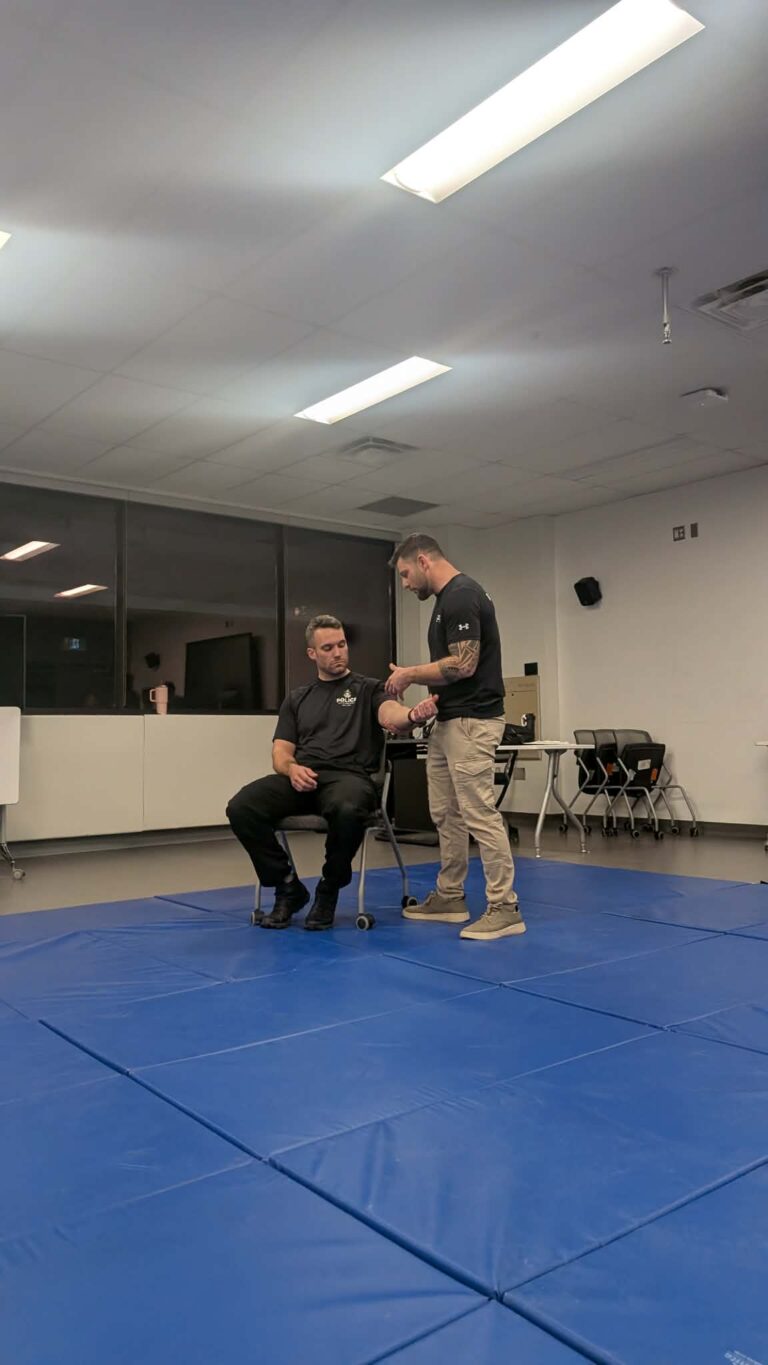
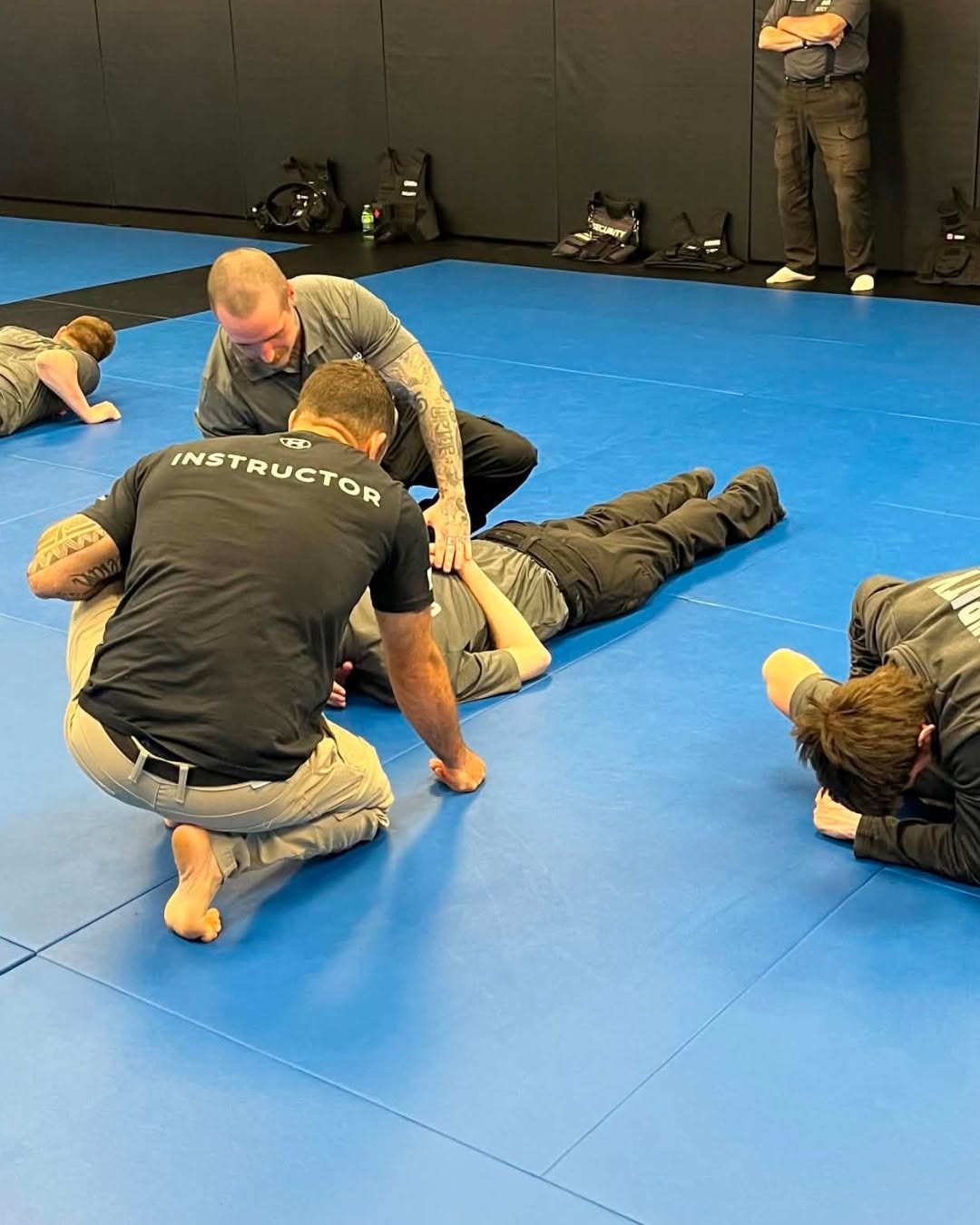
First responder training is important, but training alone does not automatically create readiness. A first responder can understand a technique in a controlled environment and still struggle to apply it when a situation becomes unpredictable. True readiness requires more than knowing what to do. It requires the ability to recognize what is happening, make decisions, communicate, adapt, and apply those skills safely under pressure.
Knowing a Technique Is Not the Same as Being Ready
There is a major difference between understanding a technique and being able to use it effectively during a real-world encounter. In training, the environment may be controlled, the problem may already be known, and participants may have time to think about their response.
Real incidents rarely provide those same advantages. A first responder may need to communicate with a subject, monitor their surroundings, maintain safe positioning, coordinate with other responders, and make decisions while the situation is changing.
This is where training needs to move beyond simply learning a technique. The goal should be developing the ability to apply that knowledge while managing everything else happening at the same time.
Why Scenario-Based Training Matters
Scenario-based training helps bridge the gap between learning a skill and applying it in a more realistic environment. Instead of knowing exactly what is about to happen, participants are required to recognize cues, make decisions, communicate, and choose an appropriate response.
The purpose is not to create chaos or make training unnecessarily aggressive. Scenarios should provide a controlled environment where participants can practise managing realistic problems while still prioritizing safety.
This allows instructors to evaluate more than whether someone can perform a technique. They can also look at positioning, communication, decision-making, awareness, and the participant’s ability to adapt as circumstances change.
Readiness Starts Before Physical Contact
Effective preparation begins before an encounter ever becomes physical. Situational awareness, communication, positioning, recognizing changes in behaviour, and maintaining access to an exit can all influence how an interaction develops.
When personnel recognize potential problems earlier, they may have more opportunities to create distance, reposition, communicate, disengage, or request additional resources before the situation escalates.
Physical skills remain an important part of preparedness, but they should exist within a larger framework. The objective is not simply to become better at responding to physical resistance. It is to give frontline professionals more options throughout the entire encounter.
Building Readiness Through a Complete Training Approach
A complete training approach should connect awareness, communication, decision-making, positioning, disengagement, and physical control rather than treating each skill as a separate topic.
It should also reflect the environments personnel actually work in. Confined spaces, vehicles, equipment, bystanders, patients, and team members can all affect how an encounter unfolds and what options are available.
Training should give personnel opportunities to practise making appropriate decisions within those realities while reinforcing their organization’s policies, procedures, and existing training. The goal is not to replace what an organization already has in place, but to strengthen preparedness by connecting those pieces together.
From Training to Readiness
Readiness is not measured simply by whether someone has been shown a technique. It is developed through training that helps personnel recognize problems, make decisions, communicate effectively, and apply appropriate skills when circumstances change.
For frontline professionals, that means preparing for more than the physical moment itself. It means developing the awareness, judgement, positioning, communication, and practical skills that provide more options before, during, and after an encounter.
At Dynamic Control Tactics, our training is designed around that broader approach, helping organizations build practical skills within realistic, operationally relevant environments while supporting their existing policies and procedures.
Preparing Your Team for the Unexpected?
DCTactics provides practical, scenario-based first responder training focused on awareness, communication, positioning, de-escalation, and defensive control.